
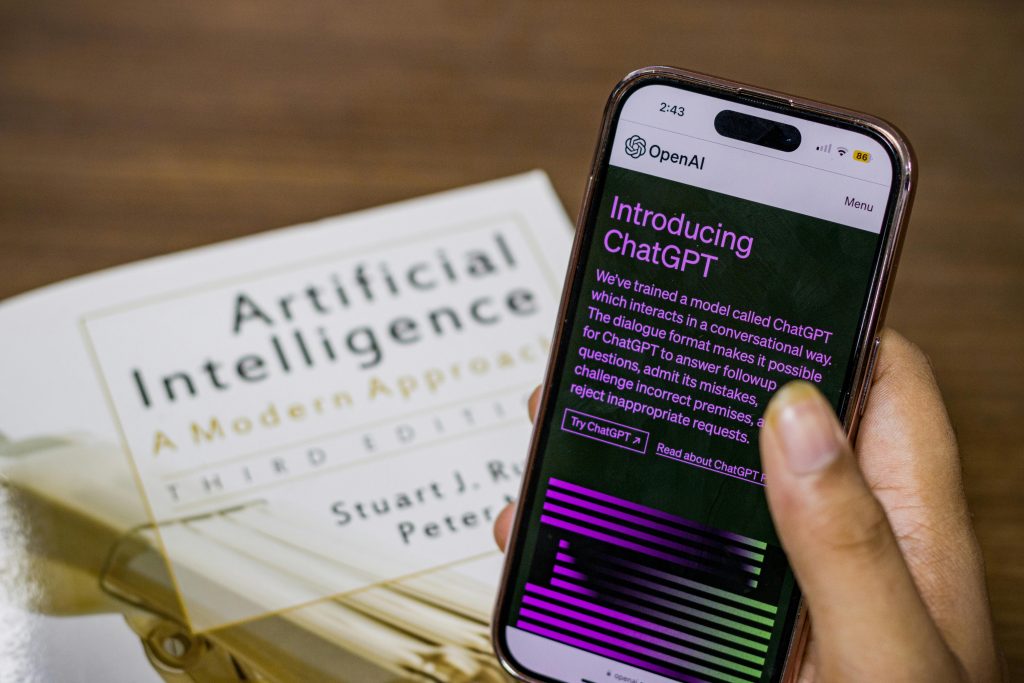
Artificial Intelligence (AI) has rapidly transformed many industries, and digital marketing is one of the most impacted sectors. Over the past few years, AI has changed the way brands understand customers, create content, run advertising campaigns, and analyze performance. For marketers, AI is no longer just a futuristic concept; it has become an essential tool for improving efficiency, personalization, and decision-making. As businesses continue to adopt digital platforms to reach their audiences, AI plays a crucial role in shaping the future of marketing strategies.
Understanding AI in Digital Marketing
Artificial Intelligence refers to machines and systems that can perform tasks that normally require human intelligence, such as learning, analyzing data, recognizing patterns, and making decisions. In digital marketing, AI tools analyze massive amounts of customer data to help marketers understand user behavior, preferences, and buying patterns.
Earlier, marketers relied heavily on manual research and assumptions to design campaigns. However, AI now enables businesses to process real-time data, automate repetitive tasks, and deliver personalized experiences to customers. This shift has made marketing more data-driven and results-oriented.
Personalization at Scale
One of the biggest effects of AI on digital marketing is the ability to deliver personalized experiences. Today’s customers expect brands to understand their needs and provide relevant content. AI helps marketers analyze browsing history, purchase behavior, demographics, and engagement patterns to create personalized marketing messages.
For example, e-commerce websites use AI to recommend products based on previous searches or purchases. Similarly, email marketing platforms use AI algorithms to send personalized emails at the best time when customers are most likely to open them. This level of personalization increases customer engagement and improves conversion rates.
Improved Customer Insights
AI enables marketers to gain deeper insights into customer behavior. By analyzing large datasets, AI tools identify patterns and trends that humans might overlook. These insights help businesses understand what customers want, when they want it, and how they prefer to interact with brands.
Predictive analytics is another powerful AI capability. It allows marketers to forecast customer behavior and predict future trends. For instance, AI can identify potential customers who are more likely to purchase a product, enabling marketers to target them more effectively. As a result, businesses can optimize their marketing strategies and allocate budgets more efficiently.
Automation of Marketing Tasks
AI has significantly reduced the time spent on repetitive marketing tasks. Many processes that once required manual effort can now be automated using AI-powered tools. Tasks such as email scheduling, social media posting, ad optimization, and customer segmentation can be handled automatically.
Marketing automation allows businesses to run campaigns more efficiently while maintaining consistency. For example, chatbots powered by AI can respond to customer queries instantly, providing support 24/7. This not only improves customer experience but also reduces the workload for customer service teams.
Smarter Advertising Campaigns
AI has revolutionized digital advertising by making campaigns smarter and more targeted. Platforms like search engines and social media use AI algorithms to display ads to the most relevant audience. These algorithms analyze user data such as search history, interests, and online behavior to ensure that ads reach people who are most likely to engage with them.
AI also helps marketers optimize their advertising campaigns in real time. It can automatically adjust bidding strategies, target audiences, and ad placements to maximize return on investment (ROI). This means businesses can achieve better results while reducing wasted advertising spend.
Content Creation and Optimization
Content is a core component of digital marketing, and AI is now assisting marketers in creating and optimizing content. AI tools can generate blog ideas, analyze trending topics, and suggest keywords that improve search engine visibility. They can also help optimize content for readability, SEO, and audience engagement.
In addition, AI-powered platforms can analyze how audiences interact with content and recommend improvements. For example, marketers can identify which headlines attract more clicks or which blog topics drive more traffic. This data-driven approach allows businesses to produce more effective content that resonates with their target audience.
Enhanced Search Engine Optimization (SEO)
Search Engine Optimization has also evolved with the introduction of AI. Search engines use AI-based algorithms to understand user intent and deliver more relevant search results. This means marketers must focus on creating high-quality, valuable content rather than simply stuffing keywords.
AI tools help marketers analyze keyword trends, competitor strategies, and website performance. They also provide insights into how users interact with websites, helping businesses improve their content and user experience. As a result, companies can achieve better search rankings and attract more organic traffic.
Better Customer Experience
Customer experience has become a key factor in digital marketing success, and AI plays an important role in improving it. AI-powered chatbots, virtual assistants, and recommendation engines provide instant responses and personalized suggestions to customers.
For example, when a customer visits an online store, AI can suggest products that match their interests. Chatbots can answer common questions, guide customers through the buying process, and even resolve issues quickly. These technologies create a seamless and convenient experience for customers, which helps build brand loyalty.
Data-Driven Decision Making
Digital marketing generates large volumes of data from various channels such as websites, social media, email campaigns, and online ads. AI helps marketers analyze this data quickly and accurately. Instead of relying on guesswork, businesses can make informed decisions based on real-time insights.
AI-powered analytics tools track campaign performance, measure customer engagement, and identify areas for improvement. Marketers can use these insights to refine their strategies and focus on the tactics that deliver the best results.
Challenges of AI in Digital Marketing
While AI offers numerous benefits, it also presents certain challenges. One major concern is data privacy and security. Since AI relies heavily on customer data, businesses must ensure that they collect and use this data responsibly.
Another challenge is the need for skilled professionals who can effectively use AI tools and interpret data insights. Additionally, over-reliance on automation may reduce the human touch in marketing communication. Therefore, businesses must strike a balance between technology and creativity.
The Future of AI in Digital Marketing
The role of AI in digital marketing is expected to grow significantly in the coming years. Advancements in machine learning, natural language processing, and predictive analytics will continue to enhance marketing capabilities. Businesses that adopt AI technologies will be better equipped to understand their customers and deliver personalized experiences.
In the future, AI may enable even more advanced marketing strategies, such as hyper-personalized campaigns, voice search optimization, and immersive digital experiences. Marketers who stay updated with these technologies will gain a competitive advantage in the digital marketplace.
Conclusion
Artificial Intelligence has fundamentally changed the landscape of digital marketing. From personalized customer experiences to smarter advertising and data-driven decision-making, AI has made marketing more efficient and effective. While there are challenges associated with its adoption, the benefits of AI far outweigh the limitations.
For modern marketers, embracing AI is no longer optional—it is essential for staying competitive in the digital world. By combining AI-powered tools with human creativity and strategic thinking, businesses can create powerful marketing campaigns that deliver meaningful results and long-term growth.