
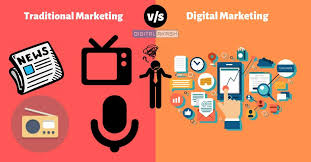
Marketing plays a crucial role in the growth and success of any business. Over the years, the methods used to promote products and services have evolved significantly. Earlier, businesses relied heavily on traditional marketing methods such as newspapers, television, radio, and billboards. However, with the rise of the internet and technology, digital marketing has become a powerful alternative. Today, businesses often face a common question: Traditional Marketing vs Digital Marketing – which is better?
Both marketing approaches have their own advantages and limitations. Understanding the differences between them can help businesses choose the right strategy to reach their target audience and achieve their goals.
What Is Traditional Marketing?
Traditional marketing refers to the conventional methods used to promote products and services before the internet became widely popular. These marketing techniques focus on reaching audiences through offline channels.
Common forms of traditional marketing include:
- Television advertisements
- Radio advertisements
- Newspaper and magazine ads
- Billboards and hoardings
- Flyers, brochures, and pamphlets
- Direct mail marketing
- Telemarketing
Traditional marketing has been used for decades and is still effective in certain situations, especially when businesses want to reach a large audience within a specific geographical area.
Advantages of Traditional Marketing
1. Wider Local Reach
Traditional marketing is highly effective for reaching local audiences. For example, newspaper ads or billboards can easily attract the attention of people in a specific city or region.
2. High Brand Credibility
Advertisements on television or in reputed newspapers often create a sense of trust and credibility among consumers. Many people still perceive traditional advertising as more reliable.
3. Tangible Marketing Materials
Printed materials such as brochures and flyers can be physically distributed and kept by customers. This helps businesses leave a lasting impression.
4. Effective for Mass Awareness
Television and radio advertising can reach millions of people at the same time, making them ideal for large-scale brand awareness campaigns.
Limitations of Traditional Marketing
Despite its benefits, traditional marketing also has several limitations:
- High advertising costs
- Limited audience targeting
- Difficult to measure campaign performance
- Limited interaction with customers
These challenges have encouraged many businesses to explore digital marketing solutions.
What Is Digital Marketing?
Digital marketing refers to promoting products and services using online platforms and digital technologies. It allows businesses to reach their target audience through the internet using various digital channels.
Popular forms of digital marketing include:
- Search Engine Optimization (SEO)
- Social Media Marketing
- Email Marketing
- Pay-Per-Click Advertising (PPC)
- Content Marketing
- Influencer Marketing
- Affiliate Marketing
Digital marketing has gained massive popularity because it enables businesses to connect with their audience more efficiently and cost-effectively.
Advantages of Digital Marketing
1. Cost-Effective Marketing
One of the biggest advantages of digital marketing is its affordability. Small businesses and startups can promote their products online with a relatively low budget compared to traditional advertising.
2. Precise Audience Targeting
Digital marketing allows businesses to target specific audiences based on age, location, interests, behavior, and demographics. This ensures that marketing messages reach the right people.
3. Measurable Results
Unlike traditional marketing, digital marketing provides detailed analytics and performance metrics. Businesses can track website traffic, ad clicks, conversions, and customer engagement in real time.
4. Higher Customer Engagement
Digital platforms such as social media enable businesses to interact directly with customers through comments, messages, and feedback. This helps build stronger relationships with the audience.
5. Global Reach
Digital marketing allows businesses to reach audiences worldwide without geographical limitations. Even small companies can expand their reach beyond their local market.
Key Differences Between Traditional Marketing and Digital Marketing
Understanding the differences between these two marketing approaches can help businesses choose the right strategy.
1. Medium of Promotion
Traditional marketing uses offline channels such as TV, radio, newspapers, and billboards. Digital marketing, on the other hand, uses online platforms such as websites, search engines, social media, and email.
2. Cost
Traditional marketing campaigns usually require a large budget for advertising and production. Digital marketing campaigns are more cost-effective and can be adjusted according to the budget.
3. Audience Targeting
Traditional marketing generally targets a broad audience, while digital marketing allows businesses to target specific groups based on detailed data.
4. Performance Tracking
Measuring the success of traditional marketing campaigns can be difficult. Digital marketing provides accurate tracking tools that help businesses analyze campaign performance and improve strategies.
5. Customer Interaction
Traditional marketing offers limited interaction with customers. Digital marketing enables direct communication and engagement through social media, emails, and online platforms.
When Should Businesses Use Traditional Marketing?
Although digital marketing is rapidly growing, traditional marketing still plays an important role in certain situations.
Businesses may prefer traditional marketing when:
- They want to build strong local brand awareness
- Their target audience is less active online
- They want to reach a mass audience quickly
- They are promoting large-scale events or campaigns
For example, large brands often use television advertisements and billboards to create strong brand visibility.
When Should Businesses Use Digital Marketing?
Digital marketing is ideal for businesses that want to:
- Reach a targeted audience
- Generate leads and online sales
- Measure campaign performance
- Build long-term customer relationships
- Promote products on a limited budget
Startups, e-commerce companies, and service-based businesses often rely heavily on digital marketing strategies to grow their online presence.
Combining Both Strategies
Instead of choosing one over the other, many businesses now use a combination of traditional and digital marketing strategies. This integrated approach helps brands maximize their reach and effectiveness.
For example, a company may advertise its product on television while also running social media campaigns and search engine ads. Traditional marketing can create brand awareness, while digital marketing can drive customer engagement and conversions.
The Future of Marketing
As technology continues to evolve, digital marketing is expected to dominate the marketing landscape. Increasing internet usage, smartphone adoption, and social media growth are making digital platforms more influential than ever.
However, traditional marketing will not completely disappear. Instead, it will continue to complement digital strategies, especially for large-scale brand promotions.
Conclusion
Both traditional marketing and digital marketing have their own strengths and limitations. Traditional marketing is effective for mass awareness and building credibility, while digital marketing offers better targeting, measurable results, and cost efficiency.
For modern businesses, the best approach is often a balanced combination of both strategies. By understanding their target audience, marketing goals, and budget, businesses can choose the most effective mix of traditional and digital marketing methods.
In today’s competitive market, companies that successfully integrate both approaches are more likely to build stronger brand visibility, engage their audience effectively, and achieve long-term business growth.